What to prep before installing a used engine or transmission
A used engine that's the right fit can still cause problems if the install isn't prepped correctly. Here's what to check and replace before it goes in.
# What to prep before installing a used engine or transmission
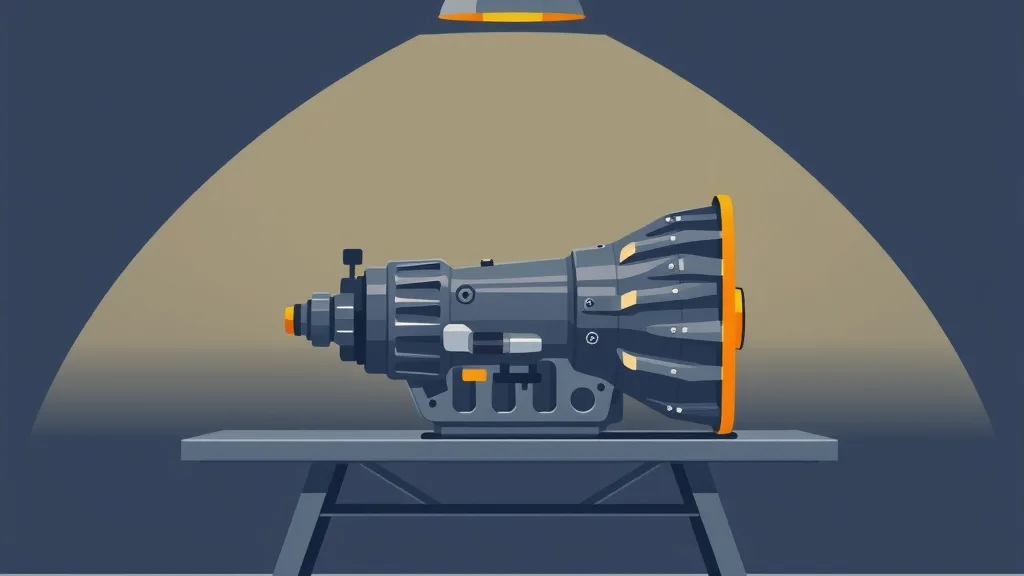
AI-generated illustration for this story; not a photograph.
**Quick answer.** Before installing a used engine or transmission, replace gaskets and seals regardless of their apparent condition, flush connected fluid systems, transfer any sensors and brackets the replacement part didn't come with, and confirm mounts and accessories match your vehicle. Skipping this prep is one of the most common reasons a correctly sourced part still runs into problems after install.
Why replace gaskets and seals that still look fine?
Gaskets and seals degrade from heat cycling and age, not just from mileage or visible wear. A gasket that looks intact can still have lost enough elasticity to leak once it's back under operating temperature and pressure. Since gaskets are inexpensive relative to the labor of a second teardown, replacing them proactively during install is standard practice rather than an optional upgrade.
Should you flush the systems that connect to the new part?
Yes. Coolant, oil, and transmission fluid loops can carry debris left over from whatever failure took out the original part — metal shavings, gasket material, or contaminated fluid. Flushing those connected systems before startup reduces the risk of that debris immediately compromising the freshly installed engine or transmission.
What accessories and sensors need attention?
Depending on your vehicle, this can include sensors, brackets, pulleys, and other components that a used engine or transmission may or may not include. Compare what arrived against what your original part had installed, and plan which pieces need to transfer from the old unit versus which came with the replacement.
| Component category | What to check | |---|---| | Gaskets and seals | Replace regardless of apparent condition | | Sensors (position, knock, speed, oxygen) | Confirm which transferred and which are new | | Brackets and accessory mounts | Match against the original part before install day | | Fluid systems (coolant, oil, transmission) | Flush before connecting to the replacement part |
What should you check about mounts and clearances?
Engine and transmission mounts are sometimes vehicle-specific even within an interchange group, and a mismatch here shows up as vibration or clearance issues after the vehicle is back together. Dry-fit or at least visually confirm mount alignment before final assembly rather than discovering a mismatch with the part already bolted in.
Is there a fluid and filter checklist specific to a used transmission?
Fresh transmission fluid and a new filter at install are standard, even on a remanufactured or tested-good used transmission, for the same reason gaskets get replaced — you're starting the new part's service life clean rather than carrying over whatever was in the system before. Match the fluid type to your vehicle's specification, since using the wrong fluid type is a common and avoidable install-time mistake.
What's worth having on hand before you start?
The specific torque specs for your vehicle's mounts and fasteners, the correct fluid types and quantities, replacement gaskets and seals sized for your engine or transmission, and — for anything beyond a straightforward swap — a second person to help with alignment. Having these ready before the old part comes out keeps the vehicle down for less time and reduces the chance of skipping a step under time pressure.
Frequently asked questions
**Do I need to replace gaskets and seals even if the used engine came with them?** In most cases, yes. Gaskets and seals degrade with heat cycles and age regardless of mileage, and replacing them during install is far cheaper than doing a second teardown later because one failed.
**Should I flush fluid systems that touch the new engine or transmission?** Yes. Old coolant, oil, or transmission fluid can carry debris from the prior failure. Flushing the systems that connect to the replacement part reduces the chance of contaminating it right after install.
**What sensors commonly need to move over from the old part?** This varies by vehicle, but commonly includes the knock sensor, camshaft and crankshaft position sensors, and oxygen sensors for an engine, or the speed sensors for a transmission. Check your specific vehicle's service information rather than assuming.
**Is it worth having a second person available for the install?** For anything beyond a straightforward swap, yes. Aligning a heavy engine or transmission with mounts, especially with limited clearance, is safer and faster with a second set of hands.